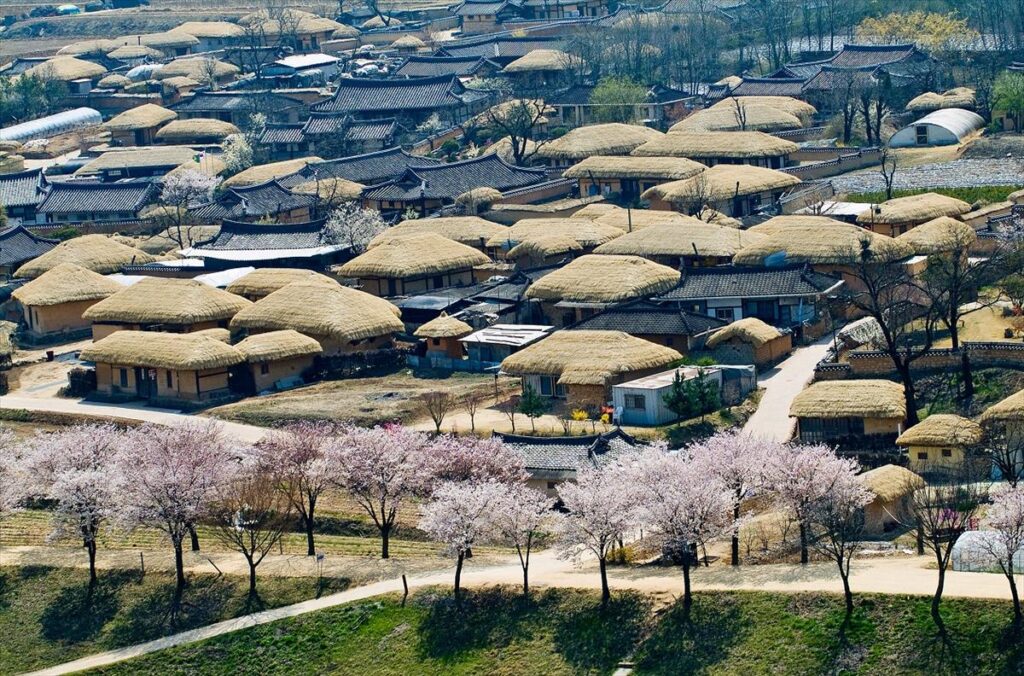

There are travel spots in Korea that impress you right away, and then there are places that settle in more slowly. Andong Hahoe Folk Village belongs to the second kind.
VISITKOREA – Andong Hahoe VillageAt first, it may look like the image many travelers already carry in their heads when they think of “traditional Korea.” Old roofs. Earthen walls. Quiet trees. A river bending around the village. But once you start walking, the place feels less like a postcard and more like a landscape with its own pace. That is what makes it memorable.
Hahoe is one of Korea’s best-known historic villages, and UNESCO recognizes it together with Yangdong as part of the “Historic Villages of Korea.” The site is especially valued for how its houses, study spaces, surrounding river, and agricultural landscape reflect the social and cultural order of the Joseon period.
If Gyeongbokgung Palace shows you royal scale and formal symmetry, Hahoe feels quieter and more lived-in. If Jeonju Hanok Village gives you an easy first taste of traditional architecture, Hahoe goes in a calmer direction and leaves more room for silence. That difference is a big part of its charm.
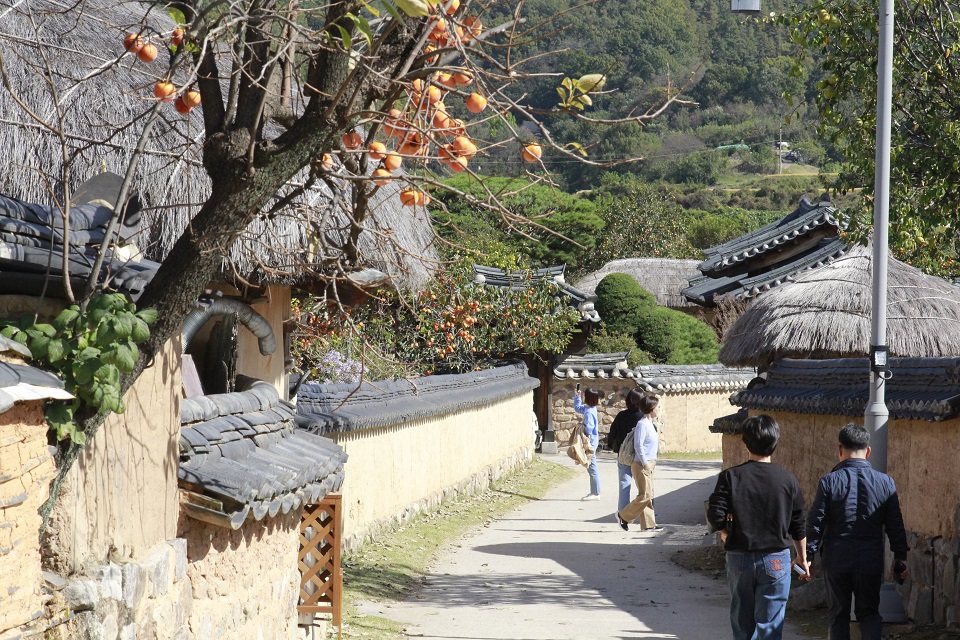
What travelers tend to notice first is not one single landmark, but the balance of everything around them. The Nakdong River curves around the village, and the landscape was chosen in a way that reflected both practical living and Confucian ideals. That combination of geography and philosophy is one reason the village still feels coherent rather than staged.
You do not come here for speed. You come because the roads are uneven in a good way, the views open up gradually, and the mood changes from one corner to the next. A tiled-roof house gives way to a cluster of thatched homes. A wider open view suddenly narrows into a softer lane. Even people who normally rush through historical sites often slow down here without really planning to.
That makes Hahoe a strong choice for travelers who want more than a checklist stop. It works especially well for people who enjoy places where walking is part of the meaning, not just the way to get from one photo spot to another.
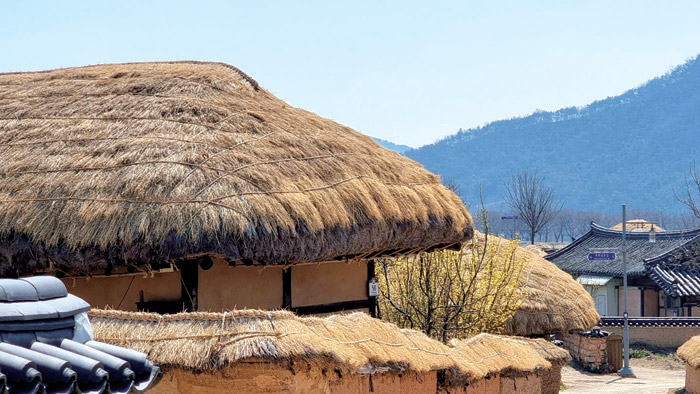
Another reason the village stays with people is that it does not feel cut off from cultural memory. Hahoe is closely associated with traditional mask culture, and the area is also linked to the famous Hahoe masks and mask dance tradition. Nearby travel information from VISITKOREA often connects the village with other Andong cultural stops, which is why many visitors turn it into a fuller day rather than a very short stop.
So what kind of trip is this best for?
It is a good fit for a half-day to full-day plan if you are already in Andong. It is also the kind of place that rewards travelers who do not mind taking their time. If your ideal Korea trip includes neon streets, fast cafés, and packed shopping areas, this may feel almost too quiet. But if you want a place that shows another layer of the country—one built around study, family lines, landscape, and patience—it lands differently.
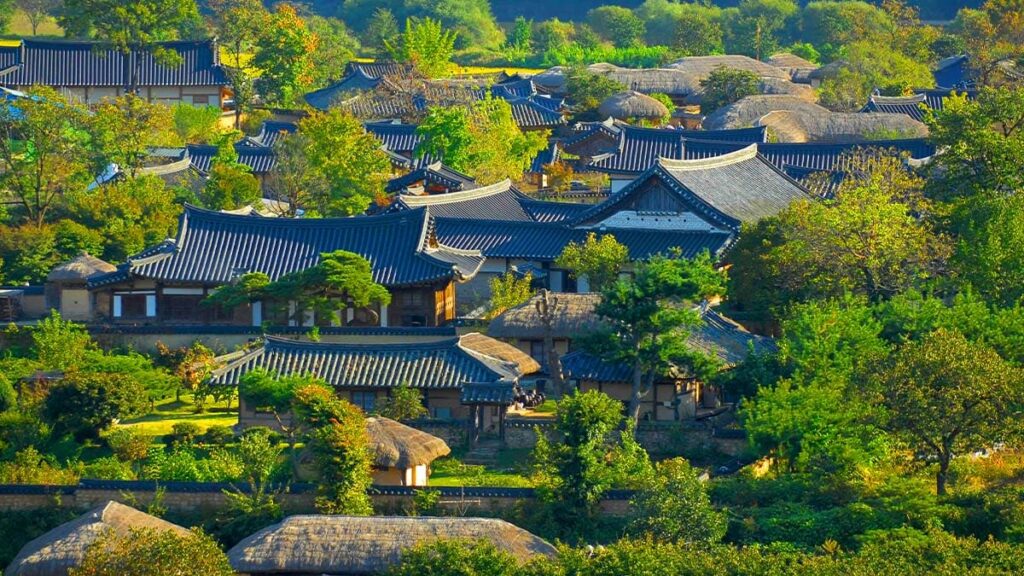
There is also a practical side to why this destination works well for foreign travelers. The official visitor information is straightforward, the village is open year-round, and the admission details are clearly listed through Korea’s tourism channels. As of the current official VISITKOREA page, last admission changes by season, with April to September listed as 17:30 and October to March as 16:30, and the site notes that it is open all year.
In the end, Hahoe is not the kind of place that demands excitement from you. It gives you space instead. Space to look longer, walk slower, and notice how Korean history can still feel physical when it remains connected to land, water, and daily paths.
That is why this village tends to stay in people’s minds. Not because it is loud, but because it is complete.