

For a lot of first-time visitors, samgyetang sounds backward at first. Summer is hot, humid, and exhausting, so cold food seems like the obvious answer. Then a Korean friend suggests a steaming bowl of chicken soup.
That small surprise is exactly where the story starts. Samgyetang matters in Korea not because it breaks culinary rules, but because it reflects a very familiar idea here: when the heat wears you down, you eat something warm, nourishing, and filling to get your energy back.
The first surprise is the temperature
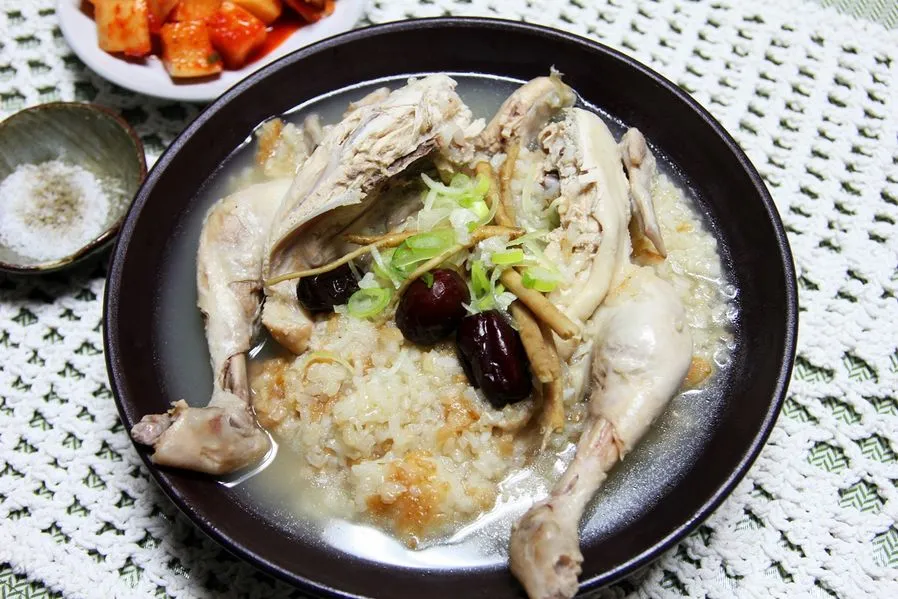
If you only look at the bowl, samgyetang can seem simple. It is a whole young chicken cooked until tender, usually stuffed with glutinous rice and served in a hot broth with ingredients like ginseng, jujubes, garlic, and green onion.
But what makes people remember it is not just what is inside. It is the timing. Samgyetang is especially associated with the hottest stretch of summer, when people talk about feeling drained, losing their appetite, or needing something that feels restorative rather than merely refreshing.
That is why the dish often feels more cultural than trendy. It is not usually presented as a clever seasonal novelty. It is treated more like a familiar answer to summer fatigue.
Why this dish feels different from ordinary chicken soup
Visitors sometimes compare samgyetang to other comforting chicken soups from around the world, and that makes sense at first. It is warm, mild, and deeply savory.
Still, the mood is different. Samgyetang has a more focused identity. The whole chicken gives it a clear visual impact, and the ingredients around it carry a certain image of nourishment. Even before someone explains it, the dish already looks like it is supposed to do more than fill you up.
That is also why restaurants that specialize in samgyetang often feel a little different from casual soup places. The meal is simple in appearance, but it carries a stronger sense of purpose.
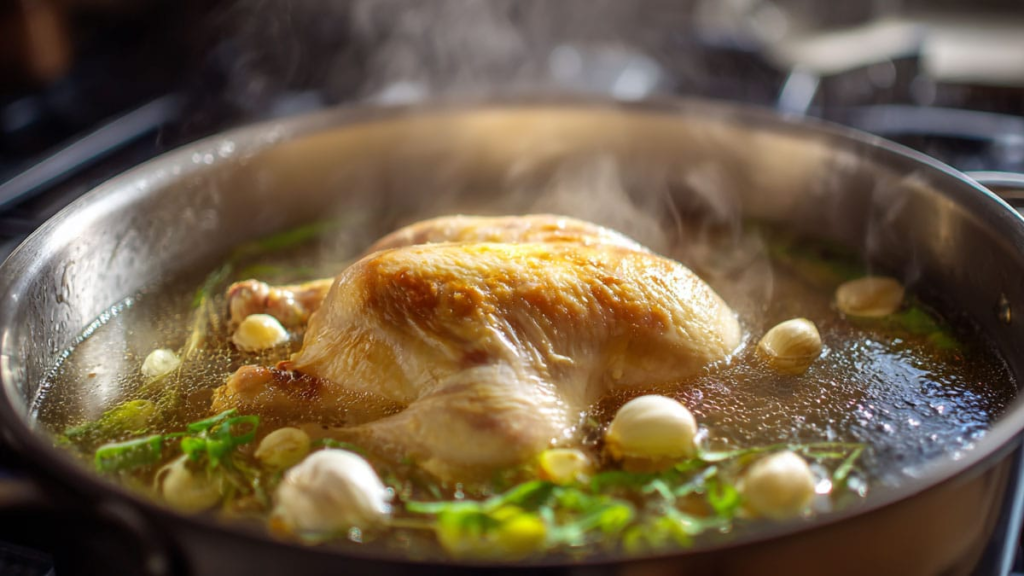
The season matters as much as the recipe
One of the easiest ways to understand samgyetang is to look at when people talk about it most. In Korea, it is strongly linked to boknal, the hottest summer days, often grouped into the seasonal period known as sambok.
That connection changes the way the dish is experienced. Samgyetang is not just something you happen to order in July. It is something many people actively think about once the weather becomes intense enough to feel tiring.
The logic behind it is easy to recognize once you hear it a few times. Instead of chasing only coolness, the meal is supposed to help you recover strength. That idea may sound unusual to some travelers at first, but after one Korean summer, it starts to make emotional sense.
What you notice once the bowl arrives
There is a reason samgyetang works well as a first-time Korean food experience. It is not too spicy, the broth is approachable, and the structure of the meal is clear even if you have never seen it before.
You cut into the chicken, find the rice inside, and realize the bowl is doing several things at once. It is soup, rice, protein, and comfort in one dish. The broth is usually gentle rather than aggressive, which makes the details stand out more: the soft chicken, the subtle herbal note, the sweetness from the jujubes, the richness that builds as the bowl cools slightly.
That balance is part of its charm. Samgyetang is not trying to shock you. It wins slowly.
The part people often read too literally
Because samgyetang is often described as healthy or restorative, some people expect it to feel medicinal. That can make the dish sound more intimidating than it really is.
In reality, most bowls feel much more comforting than dramatic. Yes, ingredients like ginseng give the soup its identity, but the overall flavor is usually soft enough for beginners. You do not need to approach it like a challenge or a wellness ritual. It is still lunch or dinner. It just carries extra seasonal meaning.
That is important, because samgyetang stays popular partly through this balance. It feels special without feeling difficult.
Why it stays in people’s memory
A lot of Korean foods are remembered because of bold spice, strong smoke, or loud textures. Samgyetang leaves a different kind of impression.
It tends to stay with people because of the contrast. The weather outside is heavy and sticky. The bowl in front of you is hot and steady. By the end of the meal, that combination feels less contradictory than it did at the start.
And maybe that is the easiest way to understand why Koreans keep returning to it every summer. Samgyetang is not only about taste. It is about the feeling that one solid, carefully built bowl can reset the day a little.
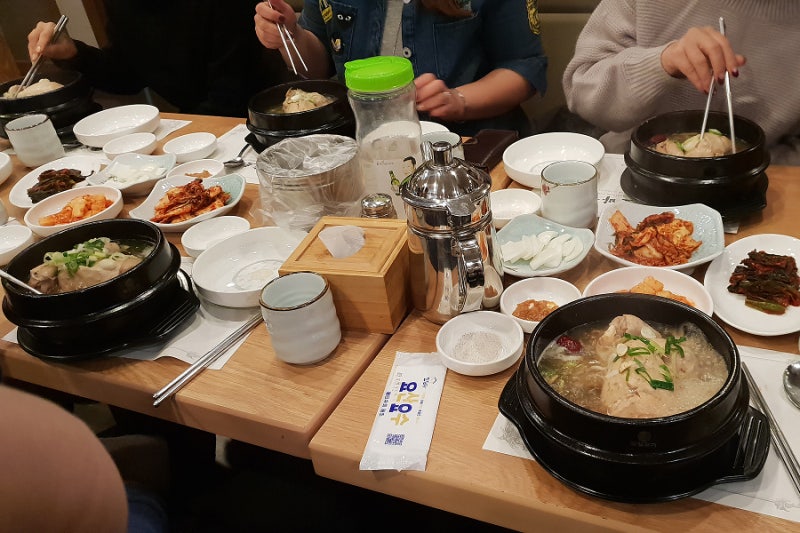
If you try it for the first time in Korea, it helps not to think of it as just hot soup in hot weather. It makes more sense as a seasonal habit built around recovery, appetite, and the quiet comfort of eating something substantial when summer starts to feel like work.