
![[BTS] Black Swan: Meaning, Artistry, and Why the Song Feels So Haunting](https://koreadayone.com/wp-content/uploads/2026/03/1-3.jpg)
Not every BTS song is built to feel warm on first listen. “Black Swan” is one of the clearest examples.
This is not the kind of track that tries to charm you immediately with brightness or easy comfort. It moves differently. The mood is colder, the emotions are more internal, and the whole song feels like it is circling a fear that most pop songs do not even try to touch. That is exactly why it stays with people.
“Black Swan” matters because it sounds like BTS looking inward. Instead of celebrating success, the song asks a much more unsettling question: what if music stops reaching me the way it used to?
When BTS stop sounding comfortable
A lot of global listeners first meet BTS through songs that feel open, direct, or emotionally immediate. “Black Swan” is not built that way. It has distance in it. It sounds elegant, but also restless.
That tension makes the song compelling. The production feels light on the surface, but emotionally it is heavy. The beat does not explode in a simple, satisfying way. It drifts, tightens, and hangs in the air. You are not supposed to feel fully settled while listening to it. That discomfort is part of the point.
This is one reason the song stands out in BTS’s catalog. It does not just communicate sadness or longing. It communicates artistic anxiety.
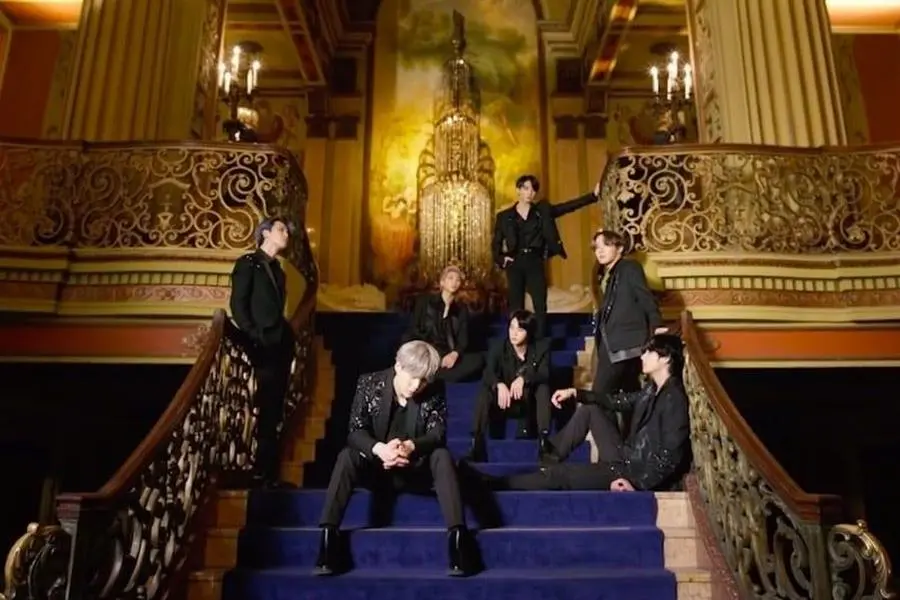
The real fear inside the song
What makes “Black Swan” different is that the central fear is not romance, heartbreak, or simple loneliness. It is the fear of disconnection from art itself.
That idea hits hard because it feels unusually honest. BTS were already one of the biggest groups in the world when this era arrived, but “Black Swan” does not sound triumphant. It sounds like a song made by artists who understand that success does not erase inner doubt. If anything, it can sharpen it.
The lyrics point toward a painful possibility: the moment when performing, creating, or making music no longer moves you the way it once did. For an artist, that is not a small sadness. It can feel like the beginning of a collapse in identity.
That is why the song feels bigger than a dark concept. It is not darkness for style alone. It is about the dread of emotional numbness.
If you have already read my post on [BTS] Spring Day, the contrast is interesting. “Spring Day” turns grief into longing and warmth. “Black Swan” feels more private, more interior, and more frightened by silence than by absence.
Why the performance is part of the meaning
Some songs can be fully explained with lyrics alone. “Black Swan” is not one of them. The body matters here.
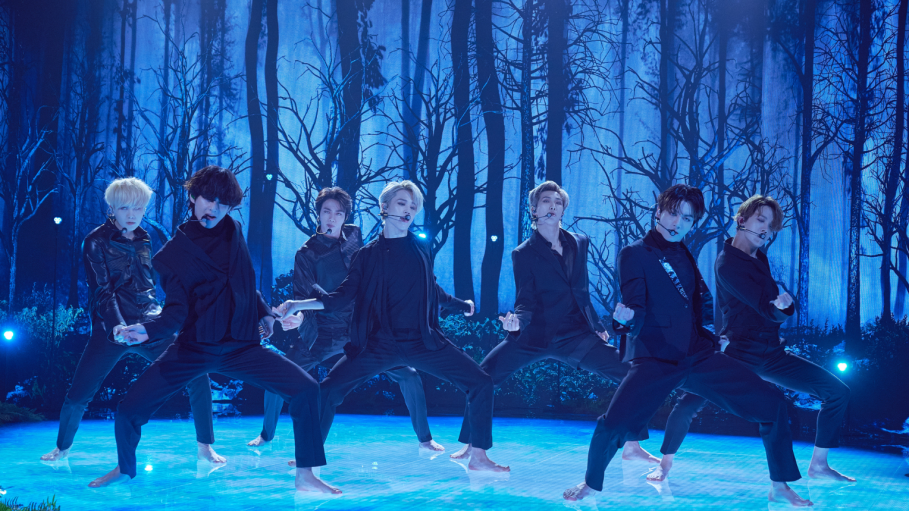
The choreography adds another layer to the song because it makes the emotional tension visible. The movements are sharp in some moments, but they also collapse, stretch, and pull downward. That physical language makes the song feel less like a performance piece and more like a struggle happening in real time.
This is where BTS’s identity as performers becomes central. “Black Swan” works because the group can carry that seriousness without making it feel forced. The song needs artists who can communicate fragility and control at the same time. BTS do that especially well here.
It is also one of those tracks where the theatrical side of K-pop genuinely helps the message instead of distracting from it. The visual styling, stage direction, and movement all deepen the same emotional idea.
Why the mood lingers for so long
Some BTS songs stay popular because they are easy to sing with. Some stay because they attach themselves to a memory. “Black Swan” lingers for another reason: it leaves an emotional texture behind.
Even after the song ends, the feeling does not fully leave. It is not just melancholy. It is more fragile than that, and more specific. It feels like elegance standing right next to fear. That combination gives the track its afterimage.
This is also why “Black Swan” often connects with listeners who are not even looking for a typical pop payoff. The song does not rush to reassure you. It trusts the mood. It trusts the unease. And because of that, it feels more artistic than merely dramatic.
For new listeners, that can be surprising. For long-time BTS listeners, it often feels like one of the clearest examples of the group refusing to become emotionally predictable.
Where this song sits in BTS’s story
“Black Swan” is one of those BTS songs that tells you the group was never interested in being just one thing.
They could make songs that comfort, songs that explode, songs that travel globally with immediate hooks, and songs like this one that feel almost like an artistic confession. That range is part of why BTS became so meaningful to so many listeners in the first place.
And if you want to compare that range to a later, more direct pop approach, [Jung Kook] Seven makes an interesting contrast. “Seven” is built for instant accessibility. “Black Swan” asks for a different kind of attention. One opens the door quickly. The other lets the room stay dark for a while.

Why “Black Swan” still feels special
There are BTS songs that feel universally easy to recommend. “Black Swan” is not the easiest entry point, and that is exactly what makes it special.
It trusts listeners to stay with discomfort. It gives beauty without softness, and emotion without easy release. More than almost any other BTS title, it shows how the group can turn inner fear into something graceful, controlled, and unforgettable.
That is why “Black Swan” still lands so hard. It is not only a dark song. It is a song about what art means when you are terrified of losing your connection to it. And once you hear that fear clearly, the whole track opens up in a different way.
It stops sounding like a concept.
It starts sounding personal.