
Why Jeonju Hanok Village feels so approachable
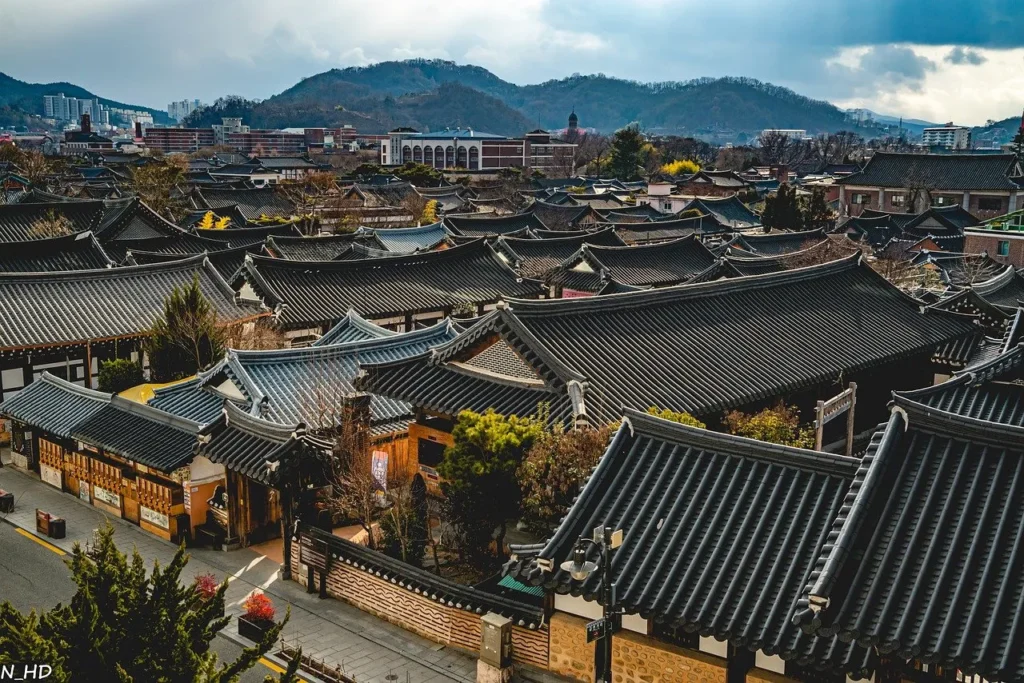
A lot of traditional places can feel like they need extra context before they become interesting. Jeonju Hanok Village is easier than that. Korea Tourism Organization describes it as Korea’s largest and only urban traditional hanok village, with around 700 hanok buildings gathered in one area. That alone helps explain why first-time visitors understand it so quickly. You are not looking at a single historic building. You are walking through a whole neighborhood where the tiled roofs and narrow streets keep shaping the experience as you move.
Part of what makes it work so well is that it does not feel cut off from real travel rhythm. The village grew in the early 1900s around places like Gyeonggijeon Shrine, Omokdae, and Jeonjuhyanggyo, so it carries real historical weight, but it still feels easy to explore without turning the day into a heavy history lesson.
Why walking is the whole point
This is not the kind of place that works best as a rushed checklist stop. Jeonju’s official tourism site leans heavily into walking, side alleys, tea houses, view points, and small cultural stops, and that is exactly the right mindset for first-time visitors. The village works best when you let the streets lead you a little instead of trying to turn every corner into a separate attraction.
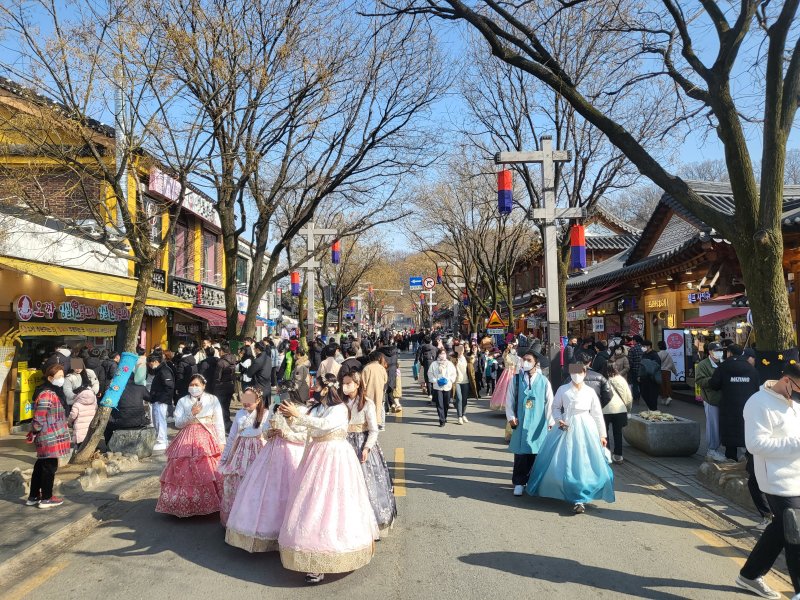
That slower pace is part of the appeal. Some travelers expect a hanok village to feel like a quiet museum set, but Jeonju feels more lived-in and more open than that. It lets you see traditional architecture while still feeling like part of a real travel day with food, cafés, shops, and people moving through it.
Why it feels different from just seeing one palace or shrine
One historic site can be beautiful, but a whole hanok district changes the mood more completely. Instead of looking at tradition from the outside, you move through it. That is why Jeonju Hanok Village often feels easier for beginners than a place where you arrive, take a few photos, and leave. The setting does more of the work for you.
If you already read the post about Gyeongbokgung Palace, Jeonju Hanok Village makes a nice contrast. Gyeongbokgung gives you royal scale and formal structure. Jeonju gives you roofs, alleys, tea houses, and a more everyday feeling of traditional space. That difference is a big part of why both places can stay memorable in different ways.
What makes it especially easy for first-time visitors
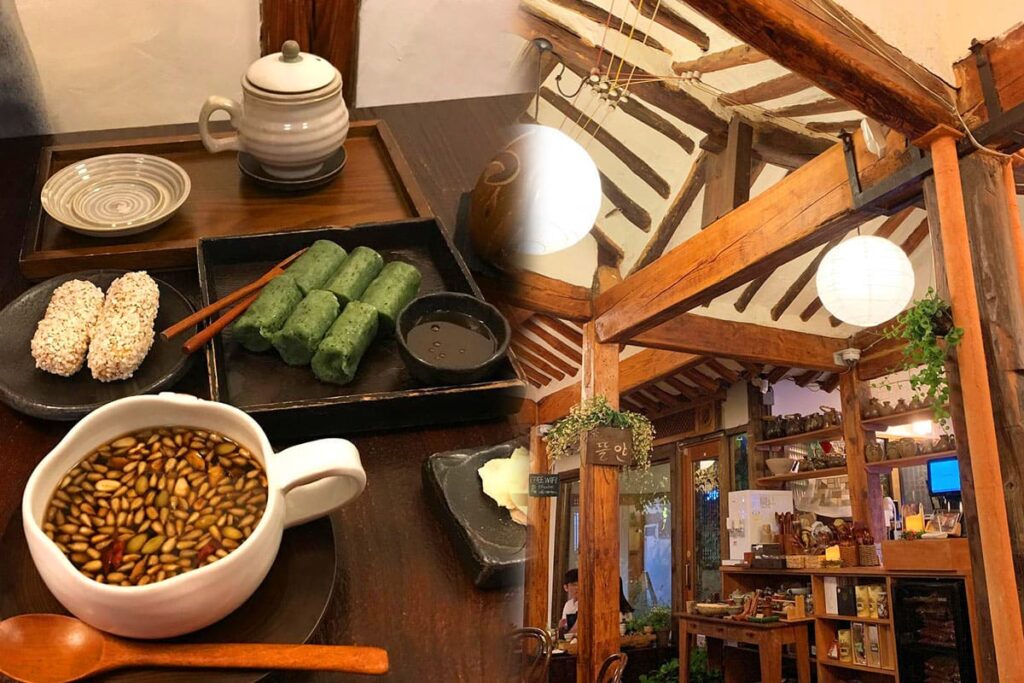
One reason this topic works so well for a first-trip Korea blog is that the atmosphere is easy to understand even without much background knowledge. Korea Tourism Organization highlights hanok stays and the Hanok Life Experience Hall, while Jeonju’s official tourism site points to tea houses, quiet gardens, and photo-friendly cultural spots. In other words, the village gives you multiple easy entry points into the experience.
You do not need to know architectural terms or historical timelines to enjoy it. You can appreciate the place through the rooflines, the slower pace, the traditional details, and the feeling that the whole area invites you to linger longer than expected.
If you already read the post about café culture in Korea, Jeonju Hanok Village connects naturally with that too. A hanok tea house or café inside this setting feels very different from a modern city café, but it still fits the same idea that the space matters as much as the drink.
The view matters more than people expect
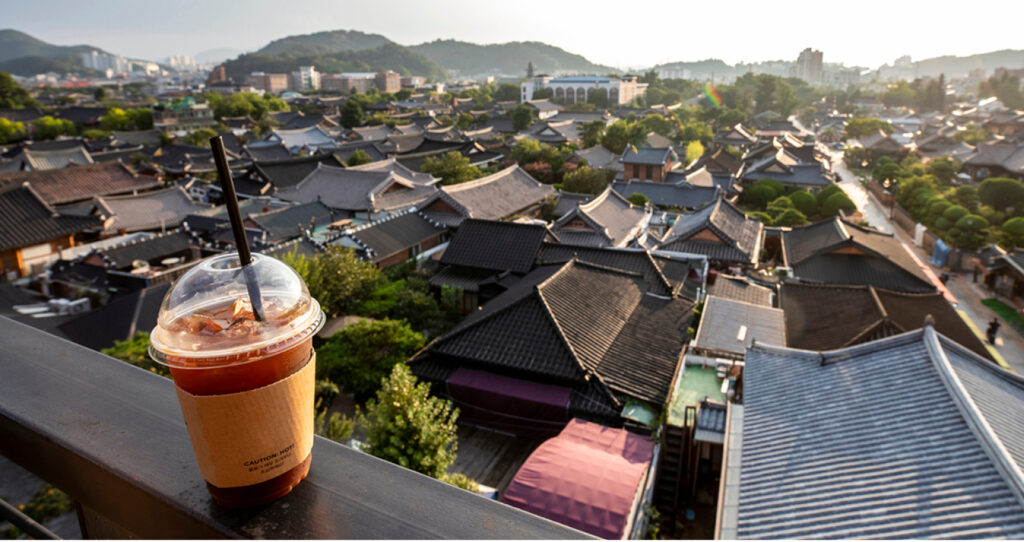
Jeonju’s official tourism site specifically points visitors toward Omokdae and nearby elevated points where the rooftops spread out below you. That rooftop view is one of the clearest reasons the village stays in people’s memory. From ground level, the alleys feel warm and detailed. From above, the whole area suddenly makes sense as one connected hanok landscape.
That shift in perspective is important. It turns the visit from “a nice old area” into something much more distinctive. It is also why rooftop and overlook photos are usually the strongest images for this topic.
Why it stays memorable
Some traditional destinations look beautiful in photos but feel distant in person. Jeonju Hanok Village usually avoids that problem because it stays easy to enter. It gives you history, architecture, food, rest stops, and gentle walking in one place. The official city tourism site even offers guided walking tour information, which shows how strongly the place is meant to be experienced on foot rather than rushed through.
That is what makes it such a strong K-Travel topic. It is visually clear, easy to explain, and friendly to readers who want something traditional without needing a complicated plan. For many first-time visitors, it is one of the simplest ways to feel that they stepped into a more textured side of Korea.