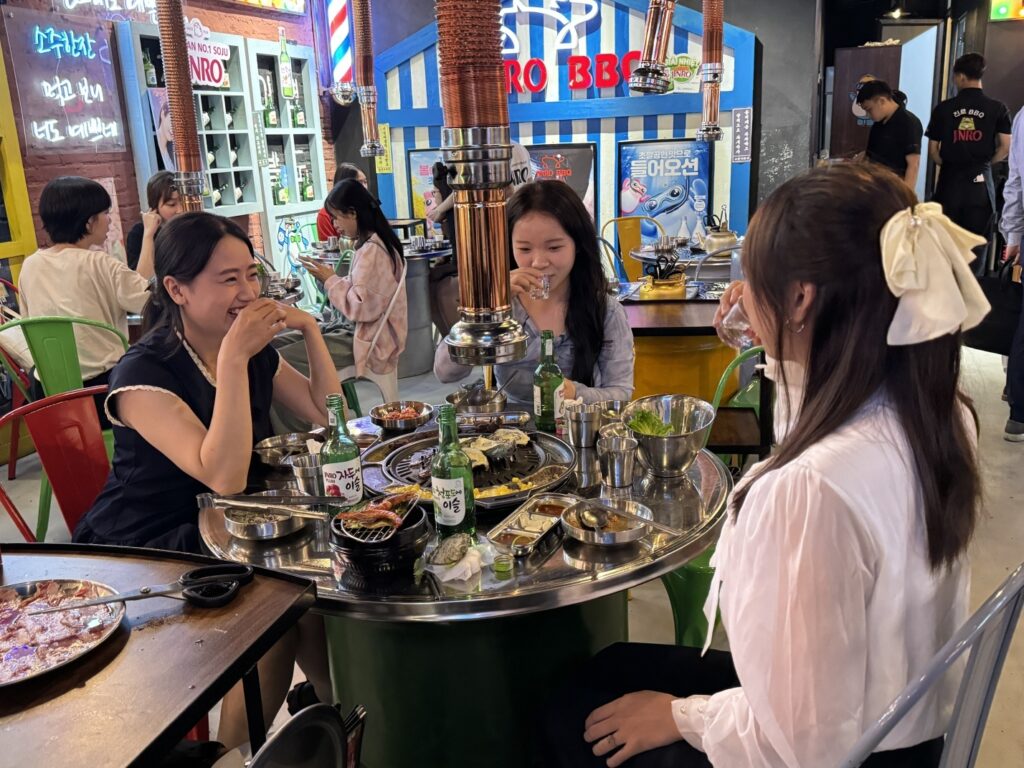
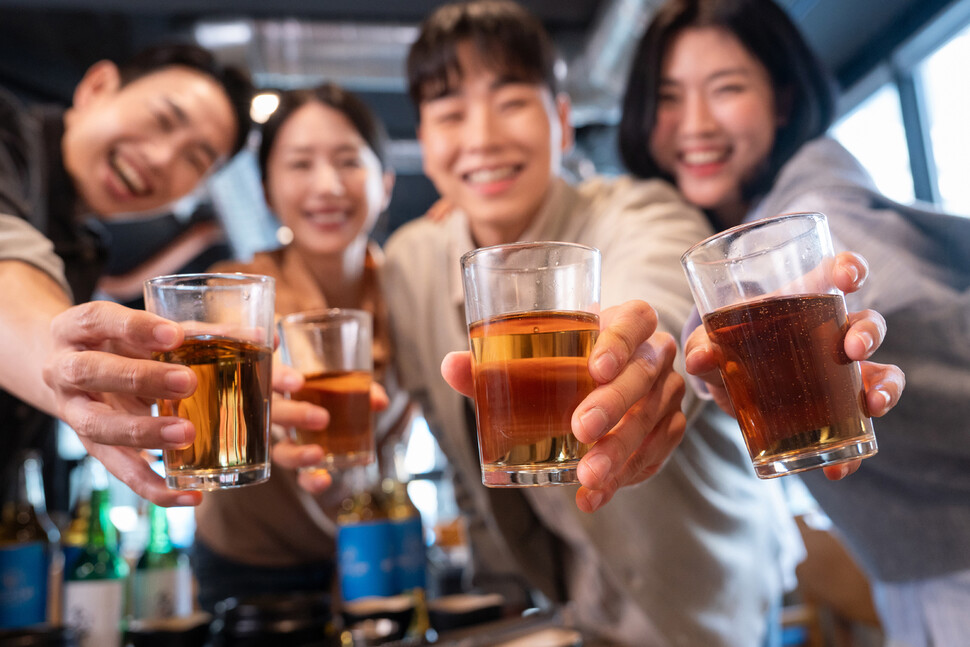
If you experience a Korean drinking gathering for the first time, the first surprise is usually that it does not feel like “just drinking.” In many cases, it feels like a full meal, a social ritual, and a relaxed conversation space all at once. VISITKOREA’s features on Korean drinking culture and company dinners both frame drinks as something closely tied to shared food and group atmosphere rather than something separate from the meal.
Soju is the obvious starting point, but it is not the only one
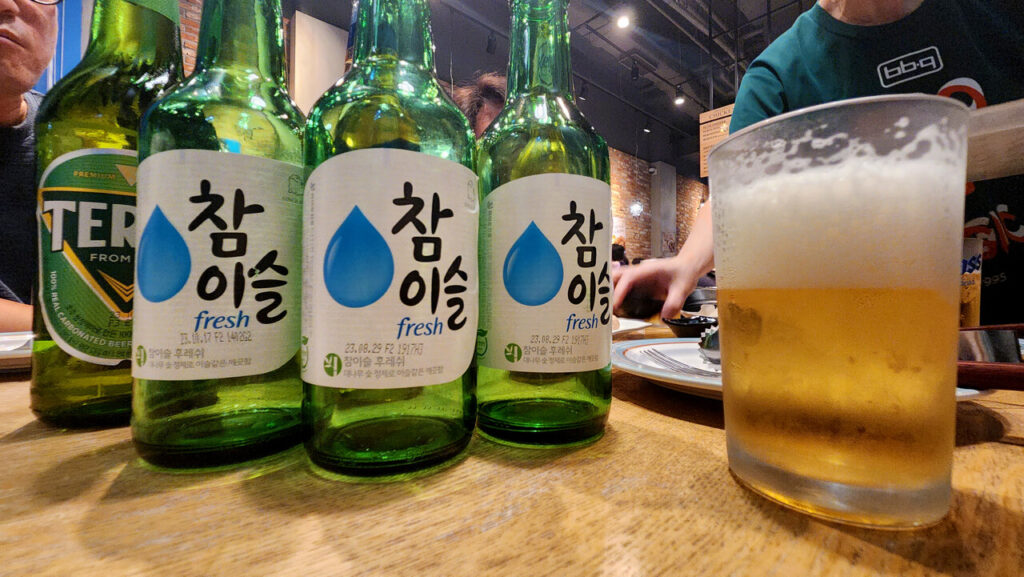
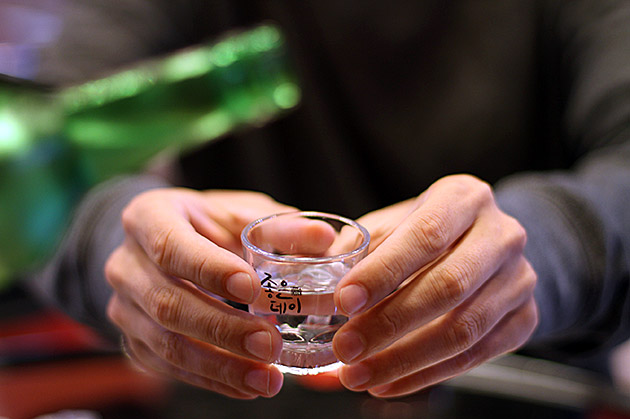
If there is one drink most visitors associate with Korea, it is soju. VISITKOREA describes soju as Korea’s most widely consumed liquor, and another official feature says soju and beer are two of Koreans’ favorite drinks, with somaek—a mix of soju and beer—also treated as a familiar part of drinking culture.
That is why a Korean drinking table often feels very recognizable once you see it: green soju bottles, beer glasses, and food arriving almost immediately. You do not need to know every drink on the table to understand the general rhythm. If you know soju, beer, and somaek, you already understand a big part of the picture.
Food matters as much as the alcohol
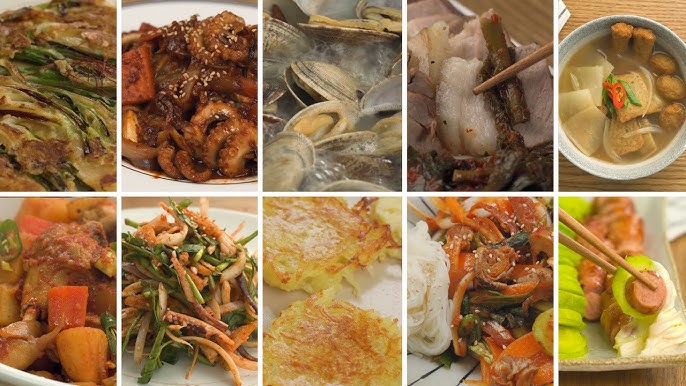
One of the easiest ways to understand Korean drinking culture is to stop thinking of it as alcohol first. The food matters just as much. VISITKOREA’s company dinner guide highlights combinations like samgyeopsal with soju and fried chicken with beer, showing how certain foods and drinks are treated almost like cultural pairs.
That is also why Korean drinking gatherings often feel more approachable than people expect. You are not just sitting there drinking. You are grilling meat, picking at side dishes, sharing chicken, or talking between bites. In practice, the food often carries as much of the experience as the drink itself.
The etiquette is small, but people notice it
The social rules are usually not as scary as they sound, but a few details do matter. Official Seoul tourism etiquette guidance says that when pouring or receiving a drink, it is polite to use two hands, and that the most senior person at the table usually starts first.
You do not need to perform every gesture perfectly to be welcomed. What matters more is showing a little awareness. If someone pours for you, receive the glass politely. If you are pouring for someone older, use both hands. Even knowing just that much makes the atmosphere feel easier.
You do not have to drink a lot to understand the culture
For first-time visitors, this may be the most important part: understanding Korean drinking culture does not mean you need to keep up with everyone else’s pace. What the official materials show most clearly is the social structure around the table—shared dishes, shared drinks, rounds of conversation, and familiar pairings like meat with soju or chicken with beer.
So if you sip slowly, stick to one kind of drink, or focus more on the food and conversation, you are still experiencing the culture. In many ways, that is the real point anyway.
Why it stays in people’s memory
Korean drinking culture tends to stay with visitors because it feels both social and specific. The soju glasses, the anju, the two-handed etiquette, the mix of grilled meat and conversation, and sometimes even a second round somewhere else all give the evening a rhythm that feels very distinctively Korean. VISITKOREA’s company-dinner feature explicitly describes that multi-round social flow as part of Korean office dinner culture.
If you want to understand why a simple table with soju and food can feel like such a strong part of everyday Korean life, this is one of the clearest cultural experiences to pay attention to.