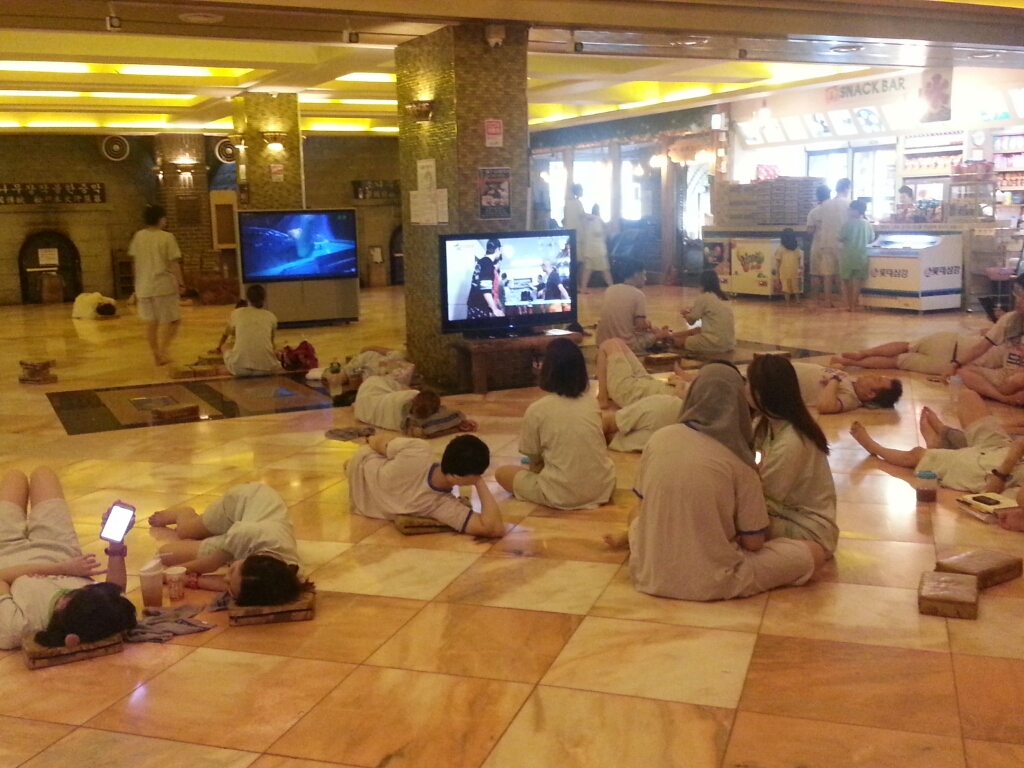

A jjimjilbang is one of those Korean experiences that sounds more intimidating than it really is. VISITKOREA describes it as a Korean-style sauna that combines a traditional bathhouse with heated steam or sauna rooms, and official travel content also presents it as one of the unique experiences many foreign visitors look for in Korea.
What makes it memorable is that it does not feel like just one thing. A jjimjilbang can be part sauna, part rest stop, part snack break, and part low-key social space. Visit Seoul even describes jjimjilbang as something deeply familiar in everyday Korean life, which helps explain why it feels less like a one-off attraction and more like a real slice of local routine.
What usually happens first
The first part is usually simpler than people expect. Recent VISITKOREA guidance says you store your belongings in a personal locker and keep the locker key with you, often worn on your wrist or ankle. The same key may also be used to access extras like snack bars or other amenities, and you settle those charges before leaving.
That system sounds more complicated than it feels. Once you understand that the key is basically your locker key and your in-house payment method, the whole place becomes a lot less confusing.
Start gently, not bravely
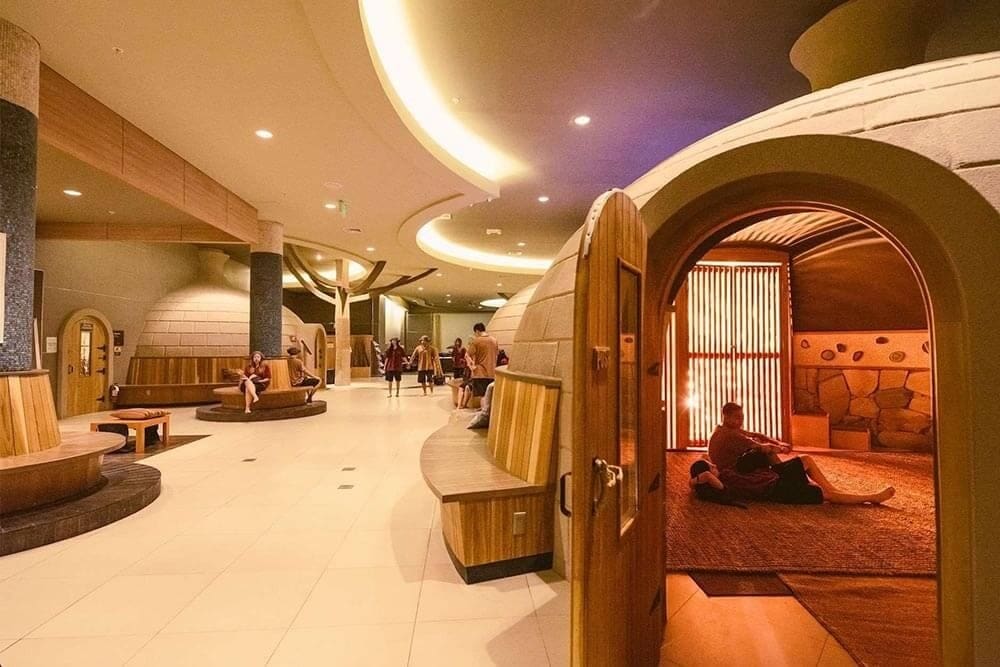
If it is your first time, the smartest move is not to jump into the hottest room right away. VISITKOREA’s jjimjilbang guide specifically recommends starting with cooler rooms around 30–40°C (86–104°F) and then moving upward only if you feel comfortable. It also warns visitors to be careful with rooms above 60°C (140°F) and to limit time there to avoid burns or dehydration.
That is probably the best mindset for the whole experience. A jjimjilbang works better when you treat it like something to ease into, not something to conquer.
The eggs and sweet rice punch are part of the experience
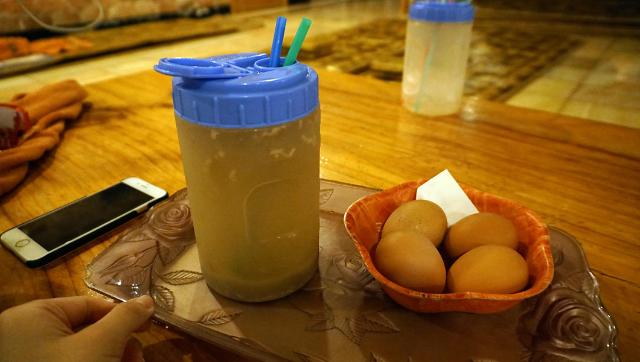
One of the details people remember most is the food. VISITKOREA highlights roasted eggs and sweet rice punch, or sikhye, as a classic jjimjilbang snack combination, and its CIMER feature describes boiled eggs and sikhye as part of the recognizable jjimjilbang experience in Korea.
That little snack break matters more than you might think. It is part of what makes a jjimjilbang feel relaxed rather than purely functional. You sweat a little, cool down, sit for a while, and suddenly the whole place starts to make sense.
Why the heated rooms feel so different
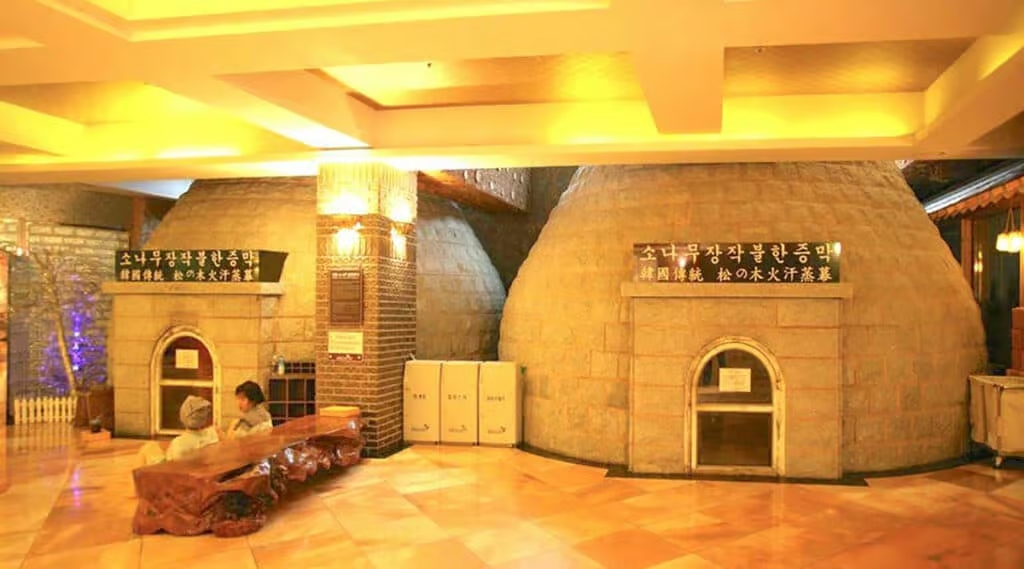
Part of what makes jjimjilbang culture stand out is the variety of rooms. VISITKOREA’s feature on Supsok Hanbang Land explains that some jjimjilbangs include several charcoal kilns or heated rooms with different temperatures, and recommends moving from lower-temperature rooms to hotter ones in order.
That variety is why the experience does not feel repetitive. You are not just sitting in one hot room for an hour. You move, rest, try another room, and find the temperature that actually feels good to you.
You do not need to do everything
A first visit goes better when you keep expectations simple. You do not need to try every room, stay for hours, or turn the visit into a checklist. In fact, the official advice to begin with cooler rooms and pace yourself suggests the opposite approach: start small, see how your body feels, and let the experience stay comfortable.
That is also why jjimjilbang works well for travelers. It can be a full activity, or it can just be a slow, quiet break in the middle of a busy trip.
Why so many visitors remember it
Jjimjilbang stays in people’s memory because it feels distinctly Korean without being hard to enjoy. Official tourism sources frame it as a unique Korean sauna culture, but what makes it stick is something more everyday: the locker key on your wrist, the heated rooms, the rest areas, the eggs, the sikhye, and the sense that nobody is in a rush.
If you want a Korean cultural experience that feels local, practical, and surprisingly easy to enjoy once you understand the flow, a jjimjilbang is one of the best places to start.