
Why cafés in Korea feel different
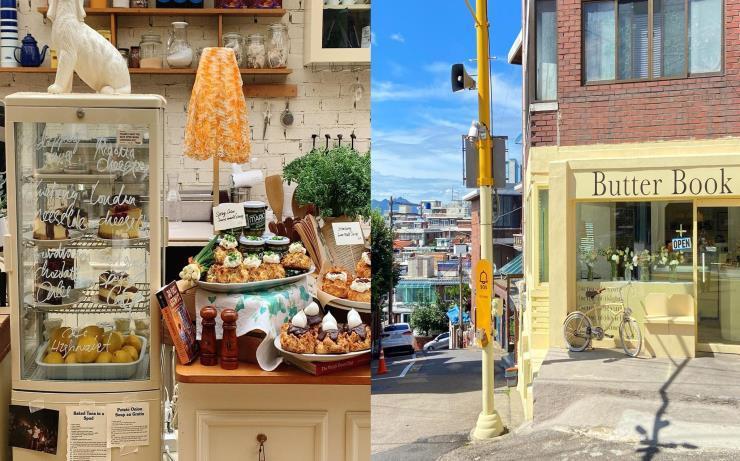
In many places, a café is just a quick stop. In Korea, it often feels more like a destination. People go for the space, the mood, the desserts, the view, and sometimes even the neighborhood identity as much as the coffee itself. That is part of why café culture feels so visible here. Official tourism guides do not just list coffee shops as places to drink coffee. They regularly present them as travel spots, cultural spaces, hanok experiences, or neighborhood attractions.
That difference matters for first-time visitors. If you expect cafés in Korea to work like simple takeout stops, you can miss what people actually enjoy about them. A lot of the appeal is in sitting down, staying longer than planned, sharing dessert, and choosing a café because it fits the mood of the day.
It is not only about coffee
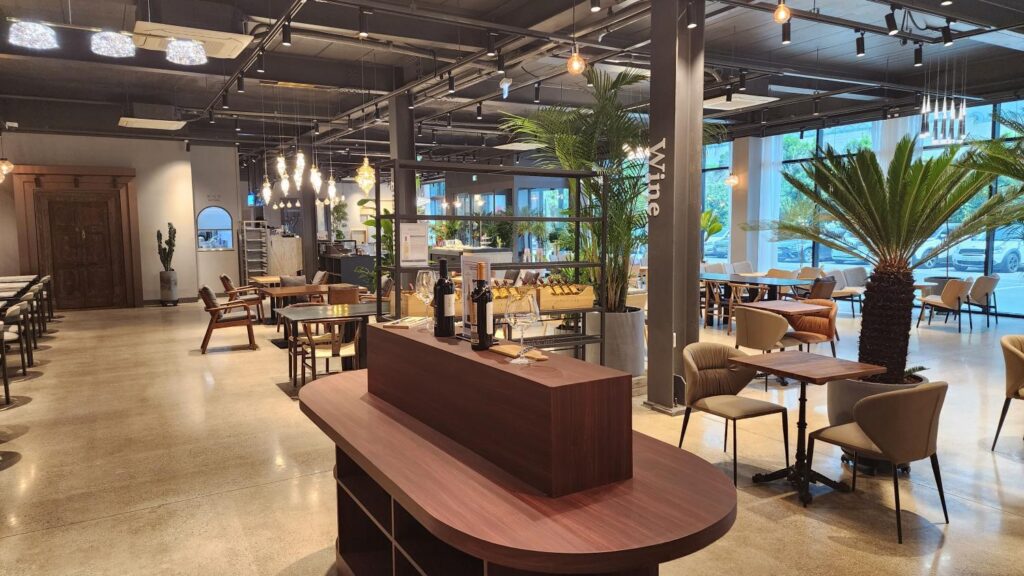
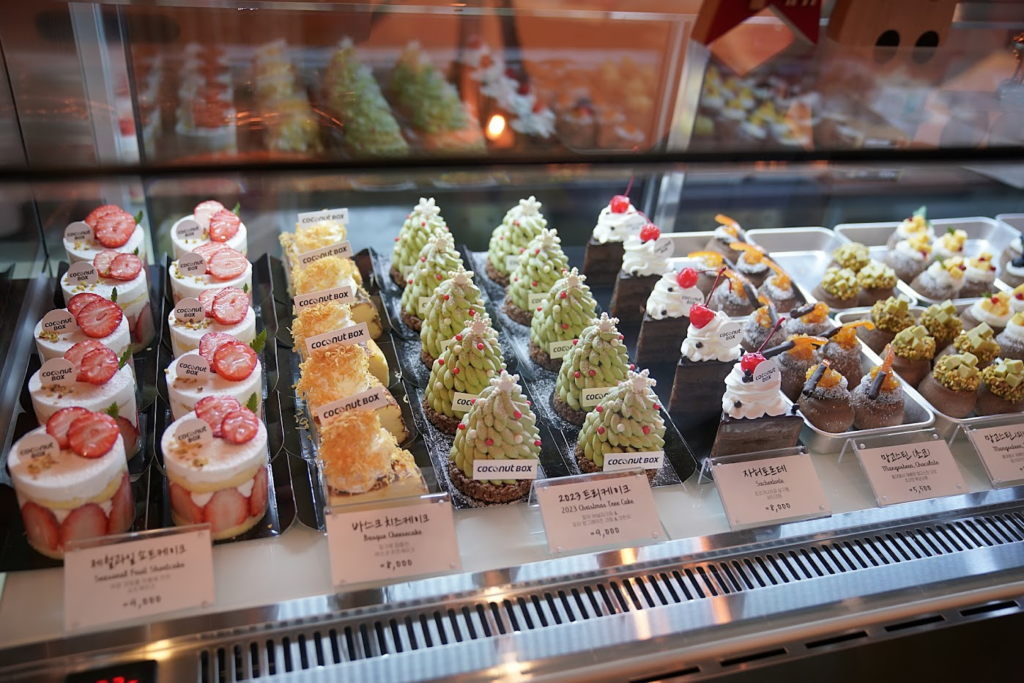
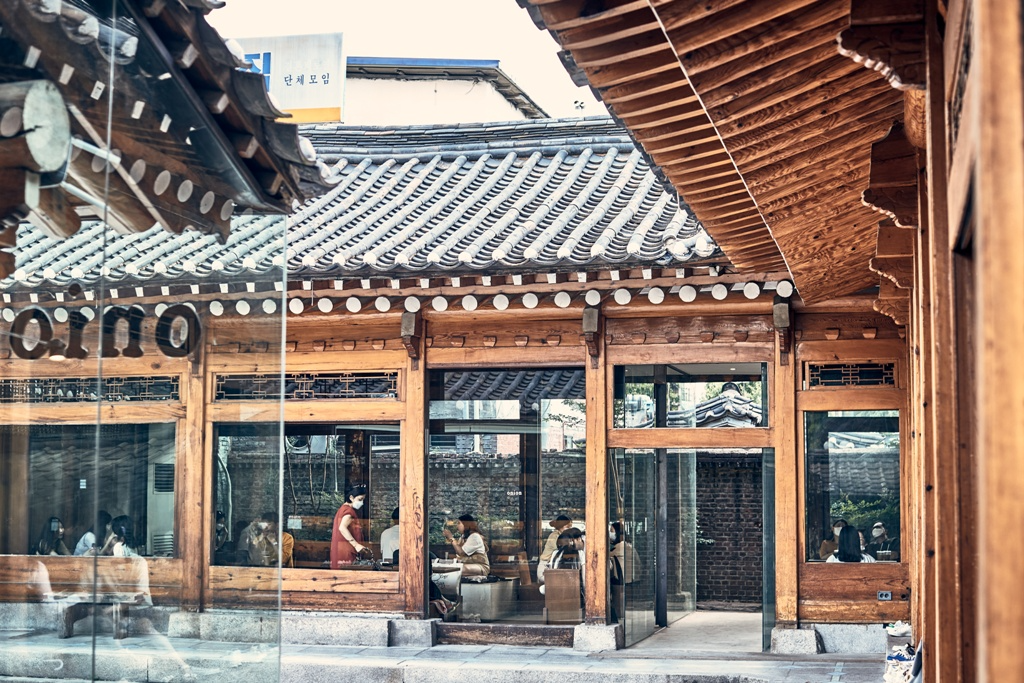
One reason Korean café culture feels so big is that the experience rarely ends with the drink. Desserts matter a lot. Interior design matters. Window views matter. Some cafés are known for being inside hanok buildings, while others are known for industrial spaces, rooftop seating, or scenic locations. Korea Tourism Organization guides highlight hanok cafés as their own category, while Visit Korea and Visit Seoul also feature cafés as cultural or design-led spaces rather than only beverage stops.
That is why people often choose a café the way they choose a restaurant or a small outing. The drink is important, but it is not the whole reason for going.
Why people spend so much time in cafés
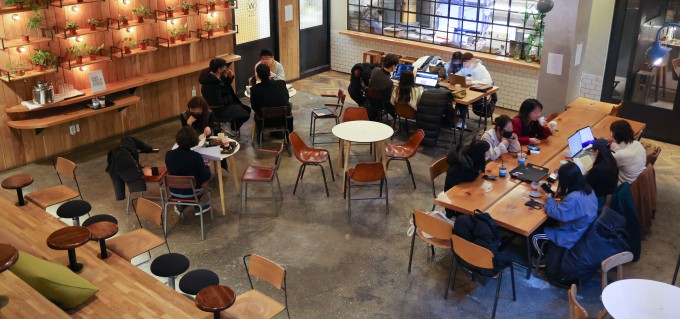
Korean cafés often work as flexible social space. Some people meet friends there and stay for hours. Others bring a laptop, study materials, or just want a place that feels calmer than the street outside. The point is not always efficiency. Sometimes it is simply about having a comfortable, attractive place to pause.
That helps explain why bigger cafés, multi-floor cafés, and neighborhood café streets stand out so much. Seoul’s official tourism guide describes Hongdae Cafe as an eight-floor cultural complex, and Seongsu-dong Cafe Street is presented as a place where cafés, shops, and local identity all mix together. Even when people are not traveling for coffee itself, cafés often become part of how they experience an area.
Why café-hopping became part of the culture
In Korea, going to one café is often not the whole story. People talk about café-hopping because different cafés offer different moods. One place might be known for desserts, another for a view, another for minimalist design, and another for a traditional hanok setting. That makes cafés easy to treat like small destinations instead of interchangeable stops.
You can see this variety in official travel coverage. Korea Tourism Organization features hanok cafés, scenic cafés, celebrity-run cafés, and neighborhood café streets, while Gangneung is specifically introduced through Bohemian Park I-Choo Coffee as part of the city’s coffee identity. That range is a big reason café culture feels so developed in Korea.
If you already enjoyed the post about Myeongdong, this is a useful contrast. Myeongdong is about energy and movement. Café culture in Korea is often about slowing that energy down for an hour or two. If you read the Gyeongbokgung Palace post, hanok cafés also make a nice bridge between historic atmosphere and everyday lifestyle.
Traditional and trendy can exist together
One of the more interesting things about Korean café culture is how easily traditional and trendy styles sit next to each other. A hanok café can feel calm, old, and rooted in Korean architecture, while an industrial café in a former factory district can feel completely modern. Both still belong naturally to the same wider café culture.
That mix is part of what makes the scene easy for visitors to enjoy. You do not need to understand every local trend to notice that cafés in Korea are often designed as an experience first and a drink stop second.
What first-time visitors should expect
If you are new to Korea, the easiest mindset is to stop thinking only about coffee quality and start noticing the whole setting. Look at how long people stay. Look at how much space is given to seating, desserts, and design. Look at how often cafés reflect the neighborhood around them.
You also do not need to chase only the most viral places. Sometimes the most memorable café is just one that matches your pace that day. That is especially true if your trip mixes busy districts with slower places outside Seoul. Korea’s official travel coverage includes not just Seoul cafés but mountain-view cafés, island cafés, and Gangneung coffee destinations, which shows how wide the culture has become.
Why visitors remember it
People remember Korean café culture because it is easy to step into even without much background knowledge. You do not need to speak fluent Korean or understand every trend. You just need to notice that cafés here often invite people to stay longer, look around more, and treat the space as part of the experience.
That is what makes the culture feel bigger than coffee. It is not only about what is in the cup. It is about how the café fits into everyday life, neighborhood identity, and the rhythm of spending time in Korea.