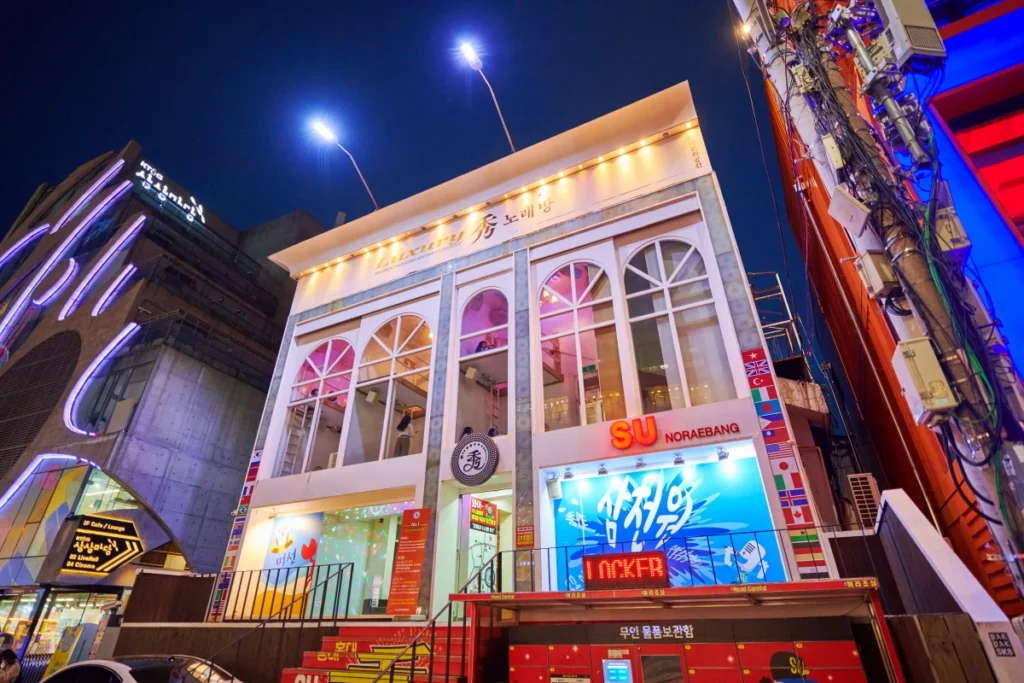

Why noraebang feels different from regular karaoke
A lot of visitors hear “karaoke” and imagine singing in front of strangers at a bar. Noraebang usually works differently. Official travel guides describe it as a singing room, which already explains a lot: instead of performing in a public space, you and your group usually get your own private room. That privacy is a big reason the experience feels easier, louder, and less embarrassing for first-timers.
That room-based setup is also why noraebang fits so naturally into everyday social life in Korea. Korea Tourism Organization’s room-culture guide presents it as one of Korea’s best-known “room” experiences, alongside other private-space activities that show up often in Korean dramas, movies, and variety shows. It does not feel like a stage performance first. It feels like a shared room where people can relax and have fun.

Why people go so casually
Part of what makes noraebang feel so Korean is how casually it fits into a night out. People go after dinner, after drinks, during a late evening with friends, or sometimes just because they are not ready to go home yet. Seoul’s tourism guide describes noraebang as one of the most popular forms of Korea’s “bang” culture, which helps explain why it feels less like a special-event activity and more like a familiar social option.
That also means you do not need to be a great singer for it to make sense. In fact, that is almost the point. Noraebang is less about talent and more about mood, group energy, and having a private place where nobody outside the room is paying attention to how well you sing.
Why private rooms matter so much
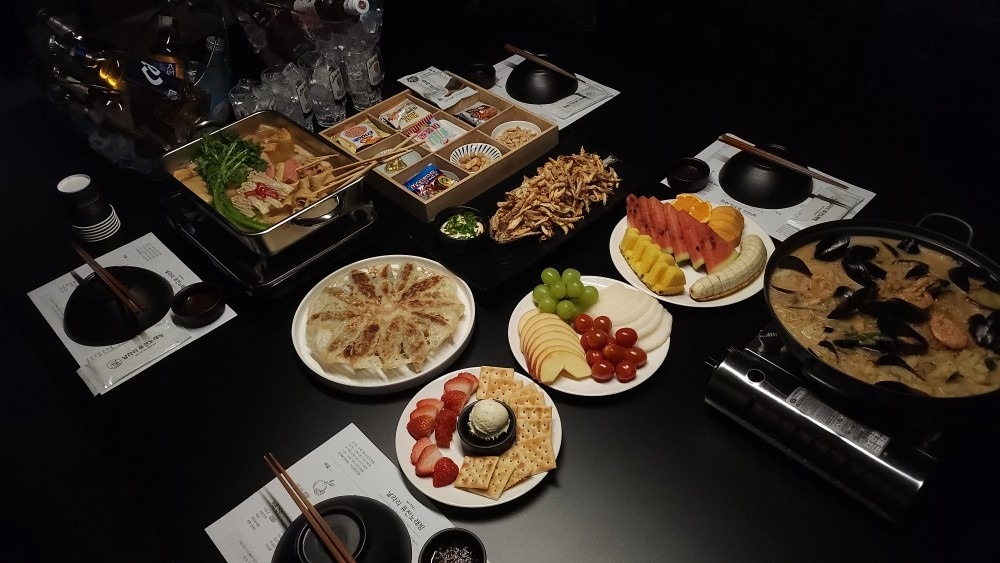
The room changes everything. A private room gives people permission to be louder, sillier, and less self-conscious. It also makes the experience flexible. Some groups treat noraebang as the energetic part of the night. Others treat it as a relaxed place to keep talking between songs. Visit Seoul also notes that there are different types of noraebang, including places where you can order food and places designed for singing alone.
That variety is part of why noraebang has stayed so visible. It is not only one format. It can be a classic group room, a more polished entertainment room, or a simple coin noraebang booth for one person who just wants a quick singing session without turning it into a whole event.
How first-time visitors can enjoy it without overthinking it
The easiest way to enjoy noraebang is not to treat it like a performance test. Pick songs people know, let the mood build slowly, and do not worry about whether your voice sounds polished. The setting is designed to make people participate more easily, not to make them feel judged. That is exactly why so many travelers end up enjoying it more than they expected.
It also helps to remember that noraebang is part of a wider pattern in Korea where social activities often happen in dedicated private spaces. If you already read the post about jjimjilbang, you have seen another version of how Korean leisure can be built around spaces people stay in rather than just pass through. If you read the post about Korean drinking culture, noraebang also makes sense as one of those places that can naturally come later in the same night.
Why coin noraebang changed the image a little
A lot of people still picture noraebang as a group activity, and that is still true. But tourism guides now also mention solo-friendly options, especially coin noraebang, where you can sing alone in a much smaller booth-style setup. That matters because it shows how the culture expanded. Noraebang is not only about group nightlife anymore. It can also be a quick, casual, low-pressure activity for one person.
That shift makes the culture easier for visitors to understand too. You do not have to wait for the “perfect” group situation. Korea has turned singing into something that can fit different moods, different budgets, and different levels of confidence.
Why visitors remember it
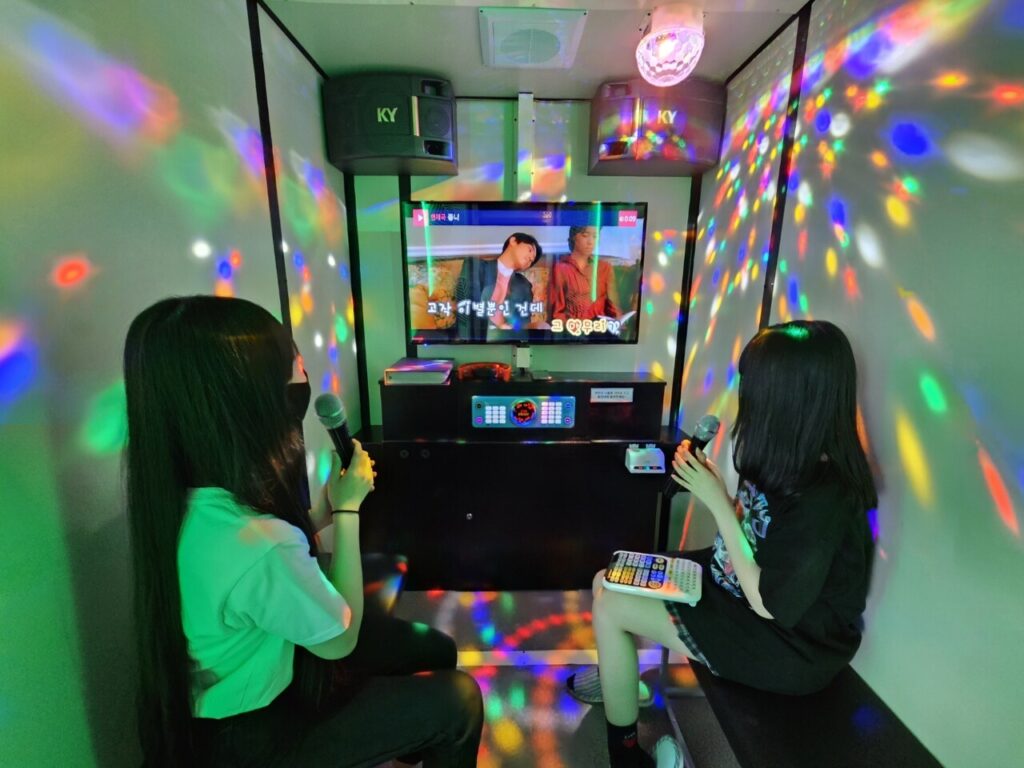
Visitors tend to remember noraebang because it feels immediately understandable once they are inside the room. You do not need deep background knowledge, advanced Korean, or perfect singing ability. You just need a song, a little willingness to be silly, and a group that is ready to laugh with you instead of judging you.
That is what makes it such a strong K-Culture topic. It is visual, easy to explain, and tied closely to the way Korea turns ordinary social activities into their own distinct spaces. Korea Tourism Organization and Visit Seoul both frame noraebang not just as entertainment, but as part of a broader room culture that many travelers recognize from K-content before they ever try it themselves.