

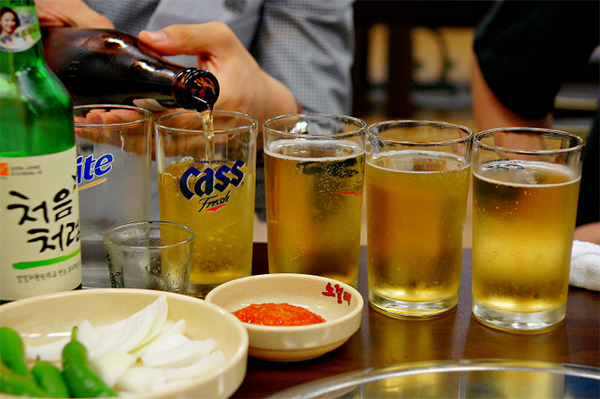
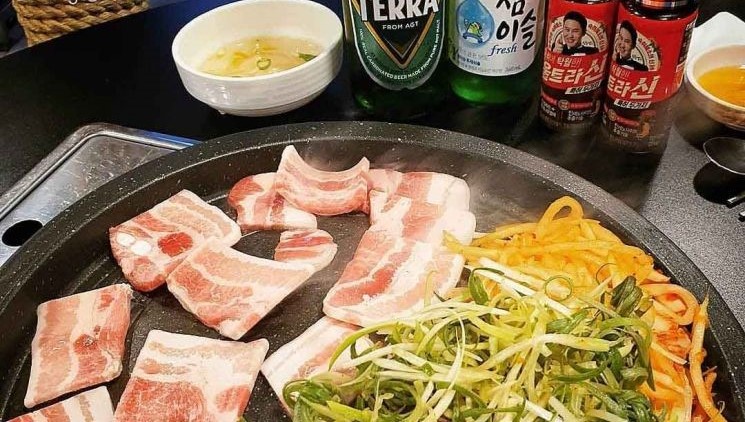
The table is already full before the first mix even happens. There is grilled meat in the middle, side dishes spread around it, cold beer on one side, soju on the other, and someone reaching for the empty glasses like the next step is obvious.
That scene explains Korean bomb shot culture better than any strict definition. In Korea, people often use the idea of a “bomb shot” to mean a drink that is mixed quickly, shared socially, and tied to the pace of the table rather than to a careful cocktail tradition.
Why the name sounds more dramatic than the drink
For many first-time visitors, the word “bomb shot” sounds intense. It suggests something wild or extreme.
In real life, the most familiar Korean version is often much simpler than that. What people usually mean is a fast mixed drink made with soju and beer, or sometimes a stronger variation dropped into beer in one motion. The point is not fancy technique. The point is speed, group rhythm, and the feeling that everyone at the table is joining the same moment.
That is one reason this topic fits so naturally into a wider post about Korean social dining. It is not separate from the meal. It usually happens because of the meal.
The mix most people meet first: somaek
If there is one drink that represents Korean bomb shot culture best, it is somaek. The name comes from soju + maekju, with maekju meaning beer in Korean.
Somaek is popular because it softens both sides a little. Straight soju can feel sharp for beginners, while light Korean lager on its own can feel too mild for people who want something stronger. Mixed together, the drink becomes smoother for some people and easier to keep moving with the table.
There is no single official ratio. Some people like it light and beer-forward. Others make it noticeably stronger. That flexibility is part of the culture too. Two tables can both say they are drinking somaek and still be talking about very different glasses.
The types people usually talk about
There is no formal master list that everyone follows, but in everyday conversation, a few styles come up again and again.
Standard somaek is the most common. It is simply soju mixed into beer, usually in a regular beer glass.
Drop-shot style bomb shots are the more visual version. A small glass of soju is dropped into beer, sometimes with a playful countdown or table trick. This is closer to what many foreigners imagine when they first hear the word “bomb shot.”
Lighter casual mixes also appear, especially in less formal settings. Some groups use flavored soju, or add just a small amount of soju to keep the drink easygoing.
Stronger late-round mixes tend to show up when the night is already moving fast. These are not always elegant, but they reflect the older image many people still associate with Korean group drinking.
What matters is that these types are not only about taste. They also signal mood. A quiet dinner and a loud company gathering may both involve mixed drinks, but the feeling around them can be completely different.
Where the social meaning really comes from
Bomb shot culture in Korea is tied to the idea of sharing pace. Someone pours, someone mixes, someone jokes about the ratio, and the table reacts together. Even before anyone drinks, the social part has already started.
That is why somaek often appears in places where conversation matters as much as alcohol: company dinners, reunion meals, barbecue restaurants, late-night pubs, and rounds that continue after the main meal. The drink works as a small ritual. It breaks awkwardness, marks the next round, or simply gives the table a rhythm.
It also explains why bomb shots are often remembered alongside Korean barbecue. For many travelers, the first real encounter with somaek happens with grilled meat, not in a nightclub.
The part many people misunderstand
From the outside, bomb shot culture can look like a rule. As if everyone in Korea drinks the same way, in the same amount, with the same pressure.
That is too simple. The image comes from real habits, especially older workplace and group-drinking settings, but today the picture is more mixed. Many younger drinkers still know somaek well, but they may treat it more casually. Some enjoy one or two rounds and stop. Some prefer beer alone. Some avoid strong drinking culture entirely.
So the culture is still recognizable, but it is not frozen. Knowing that makes the topic more useful for travelers. You do not need to imagine that every Korean dinner turns into a hard-drinking ritual. Sometimes it does. Sometimes it absolutely does not.
What first-time visitors should actually notice
The most interesting part is not whether the drink tastes strong. It is how quickly a simple mixed drink can reveal the tone of the whole table.
If the mood is playful, a bomb shot becomes a small performance. If the group is relaxed, somaek just becomes another shared glass during dinner. If the setting is more formal, the social cues around pouring and joining a round may matter more than the mix itself.
That is the detail worth remembering. Korean bomb shot culture is not famous because the recipe is complicated. It stays memorable because a very ordinary mix of soju and beer can carry so much group energy, context, and unspoken timing.
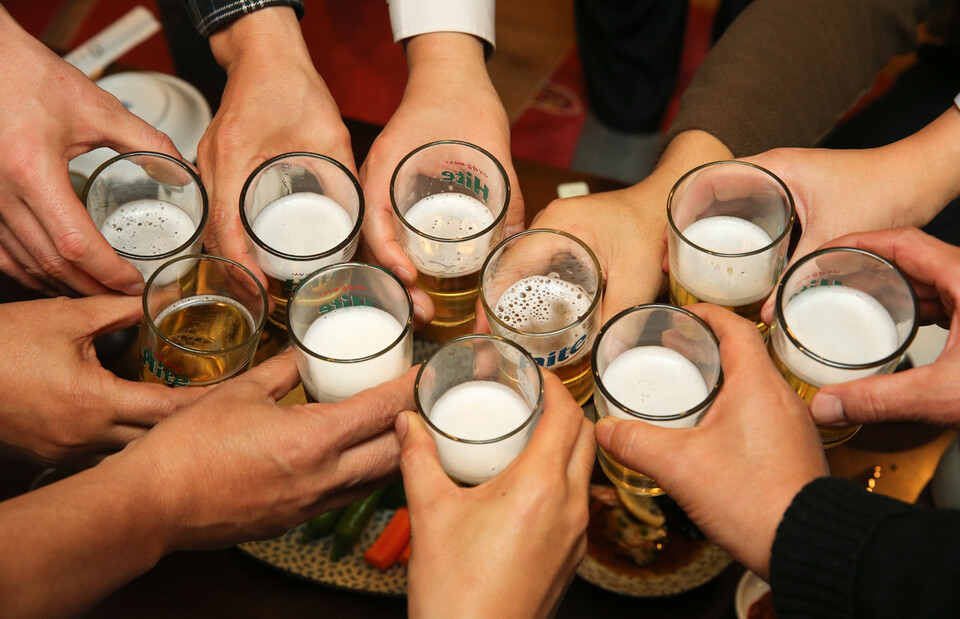
If you are seeing it for the first time, it helps to watch the rhythm before copying the drink itself. The culture makes more sense that way. And like many parts of Korean nightlife, it becomes much easier to understand once you see how the table moves together, not just what is inside the glass.