
Why a PC bang feels different from a regular internet café
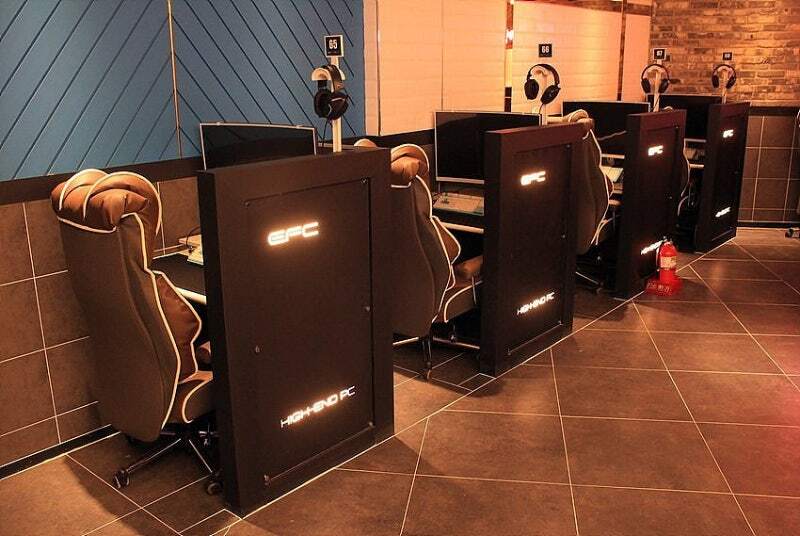
A lot of visitors hear “internet café” and imagine a quiet place to check email for a few minutes. Korean PC bangs feel much bigger than that. The Korea Tourism Organization describes them as a core part of Korean gaming culture, often open 24/7, easy to find in major cities, and built around high-spec equipment, comfortable seating, food, and affordable hourly rates. Seoul’s official living guide also describes PC bangs as widely available internet cafés and notes hourly fees in the roughly 1,000 to 1,500 KRW range, though actual prices can vary by place and time.
That difference matters because the space is not designed for a quick technical stop. It is designed for staying. Even if someone is not deeply into games, the atmosphere makes it clear that this is a place where people settle in, play, snack, and spend real time rather than just log on and leave.
Why people use it so casually
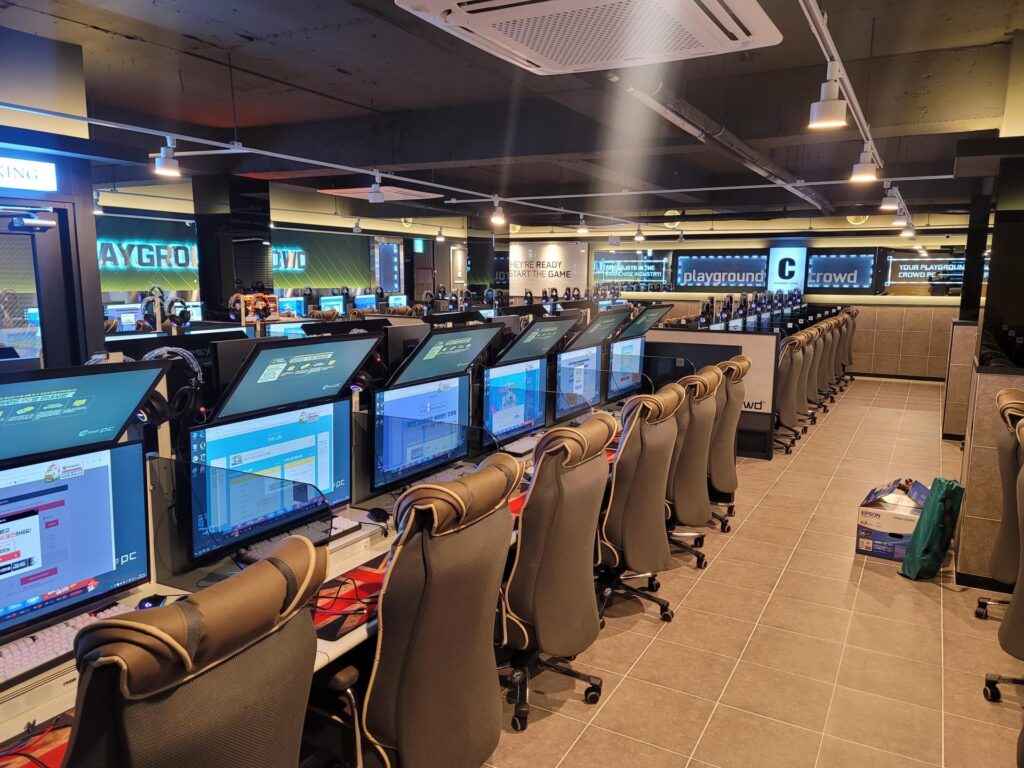
Part of what makes PC bangs feel so Korean is how naturally they fit into everyday schedules. KTO’s gaming guide frames them as places where friends gather, eat, talk, and play together, not just as machines lined up for competitive gamers. That social side is a big reason they remain so visible. They can be part of a late night, a weekend hangout, or just a simple way to spend time indoors without planning much in advance.
That is also why you do not need to be an esports expert to understand the appeal. The atmosphere does some of the work for you. Once you step inside, the glowing screens, the sound, and the sense that people are there to stay a while make the experience feel easy to read, even for first-time visitors.
Why the food matters more than people expect
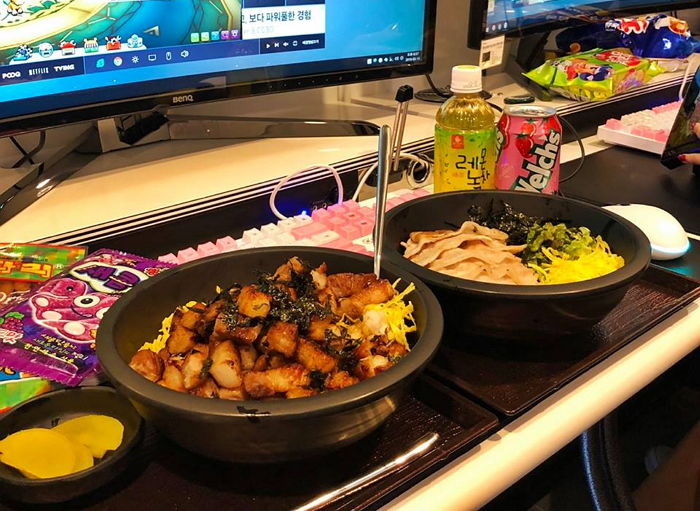
One of the easiest ways to misunderstand a PC bang is to think it is only about the computer. KTO’s gaming feature specifically highlights food as part of the experience, mentioning everything from simple snacks and drinks to heavier menu items. Its room-culture feature also points to a major franchise PC café where foods like tteokbokki, fried chicken, kimchi fried rice, hot dogs, and rice dishes are part of the draw.
That changes the mood of the place. It feels less like renting a machine and more like occupying a small zone for a while. If you already read the post about noraebang, this is another good example of how Korean leisure often happens in spaces where people stay, order something, and make the room itself part of the outing. If you already read the post about café culture in Korea, PC bangs are a very different version of that same idea: the setting matters almost as much as the thing you came to do.
Why first-time visitors usually find it easier than expected
For visitors, PC bangs can look intimidating from the outside because the setup feels serious. In practice, they are easier to approach than they seem. Seoul’s official guide notes that PC bangs can also be used for ordinary internet tasks like browsing or printing, which helps show that they are broader public-use spaces, not only exclusive gaming clubs. KTO also describes many PC bangs as foreigner-friendly, with English guidance available in some places.
The best way to treat a first visit is simply as an experience of Korean daily culture. You do not need the perfect game, the perfect skill level, or a perfect plan. Just seeing how naturally gaming, seating, food, and late-hour routine come together already tells you something distinct about life in Korea.
Why it feels tied to Korean gaming culture more than just gaming itself
KTO’s recent gaming overview says gaming in Korea spills beyond the screen into cafés, PC bangs, and stadiums, which is a useful way to understand the bigger picture. A PC bang is not important only because people play there. It matters because it shows how gaming became social, local, and visible in ordinary city life.
That is why PC bangs feel memorable even to people who are not planning a game-focused trip. They give you a very readable version of a wider Korean habit: turning leisure into a dedicated space with its own mood, food, routine, and social rhythm.
What visitors tend to remember most
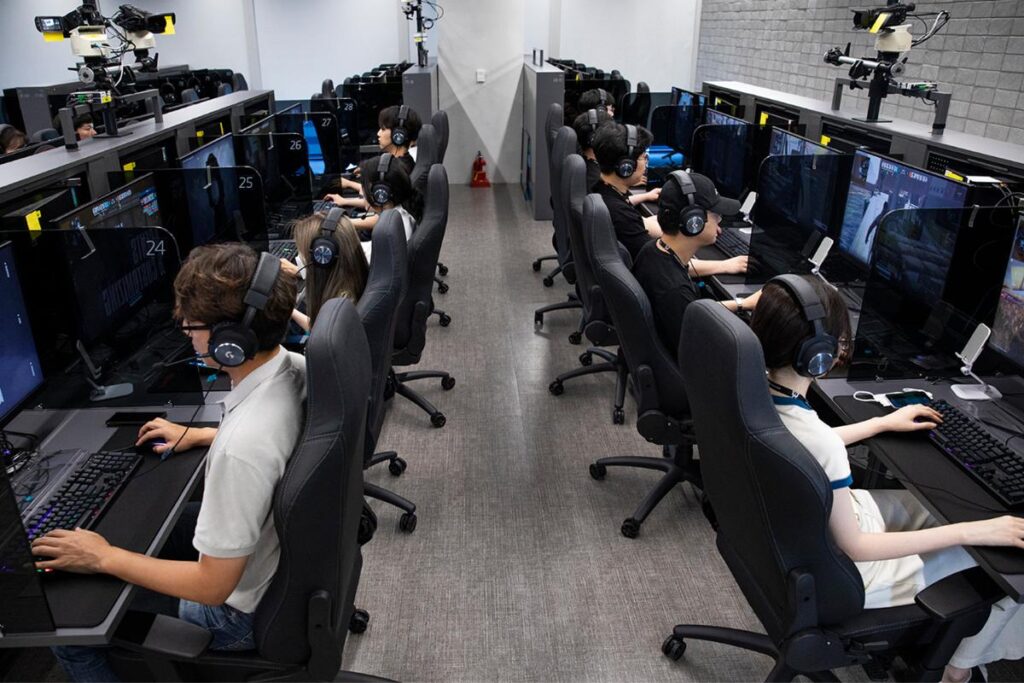
Visitors usually do not remember a PC bang because of one exact game. They remember the combination: the low hourly cost, the rows of high-spec PCs, the food arriving at the seat, the late-night feel, and the sense that this is all completely normal in Korea. Those details are what make the experience feel more cultural than purely recreational.
That is what makes PC bang such a strong K-Culture topic. It is visual, easy to explain, easy to photograph, and closely tied to a side of Korean life that many visitors recognize from games, dramas, or internet clips before they ever see it in person.